
Your van's tyres are the only thing between you and the road. When they're loaded with 300kg of freight, doing 80km/h in the rain, on tyres that are worn past their limit — you're gambling with your life and everyone else's on the road. Most drivers don't think about their tyres until they get a puncture or fail a roadside inspection. Here's how to check them yourself in under a minute.
Tread Depth: The Legal Minimum
In Australia, the legal minimum tread depth is 1.5mm across the full width of the tread. According to Queensland Government vehicle safety guidelines, driving on tyres below this limit makes your vehicle defective — you can be fined, defected, and taken off the road.
But here's the thing: 1.5mm is the absolute legal minimum. At that depth, your stopping distance in the wet is already significantly compromised. Most tyre manufacturers and safety experts recommend replacing tyres at 3mm. For a heavy delivery van that brakes frequently and carries loads, 3mm should be your real threshold.
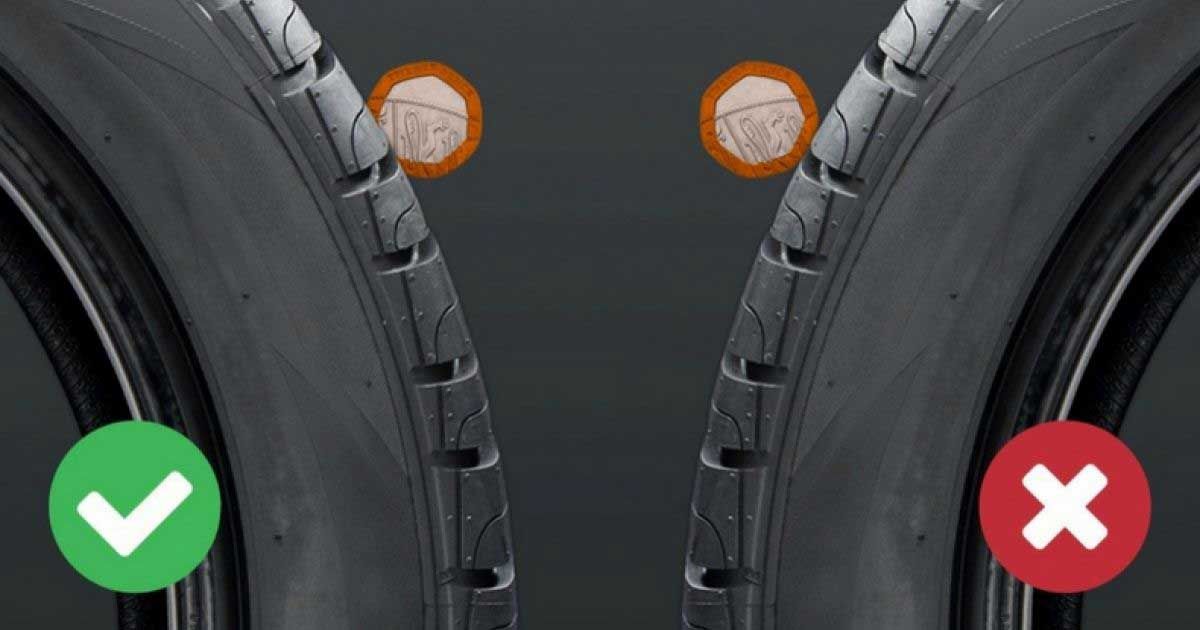
The coin test: Insert a 20-cent coin into the tread groove. The platypus bill on the coin is approximately 3mm from the edge. If the tread doesn't reach the bill, your tyres are getting close and need attention. If the tread doesn't even reach the outside edge of the coin's border, you're below legal minimum.
Wear Patterns That Tell a Story
Even wear: Normal. Your tyres are wearing evenly across the width. This is what you want to see.
Centre wear: The middle of the tread is more worn than the edges. This means your tyres are overinflated. Reduce pressure to the manufacturer's recommended level (check the placard on your door jamb).
Edge wear: Both edges worn more than the centre. Underinflated — and this is the most common issue with delivery vans because the load weight compresses the tyres. Check pressure weekly, especially when carrying heavy loads.
One-sided wear: One edge worn more than the other. Your wheel alignment is off. Get it checked — misaligned wheels eat tyres fast and affect handling.
Damage to Watch For
Bulges or bubbles: A bulge on the sidewall means the internal structure is damaged. This tyre can blow out at any time. Replace it immediately — don't drive on it, not even to a tyre shop. Use your spare.
Cuts and cracks: Small cracks in the sidewall (crazing) indicate the rubber is aging and drying out. Deeper cuts from kerbs, debris, or sharp objects weaken the tyre's structure. If you can see the cords (fabric or wire inside the rubber), the tyre is dangerous and must be replaced.
Embedded objects: Nails, screws, glass — if something is stuck in your tyre, don't pull it out. The object might be sealing the puncture. Drive carefully to a tyre shop and have them assess it. Pulling it out roadside means an instant flat.
Tyre pressure: Check it cold (before driving) at least weekly. Your van's recommended pressure is on the placard inside the driver's door frame. Remember: loaded vans need higher pressure than empty ones. If your van's placard shows different pressures for loaded vs unloaded, use the loaded figure on delivery days.