
Put two drivers on the same run with the same van and the same stop count. Pay one by the hour and the other per delivery. Come back at end of day and almost every time, the incentive-paid driver will have finished earlier and completed more stops. It's not because hourly drivers are lazy — it's because pay structures fundamentally change behaviour, motivation, and how you approach your day. Understanding this helps whether you're choosing between job offers or trying to figure out why the contractor next to you finishes two hours before you do.
The Psychology of Pay
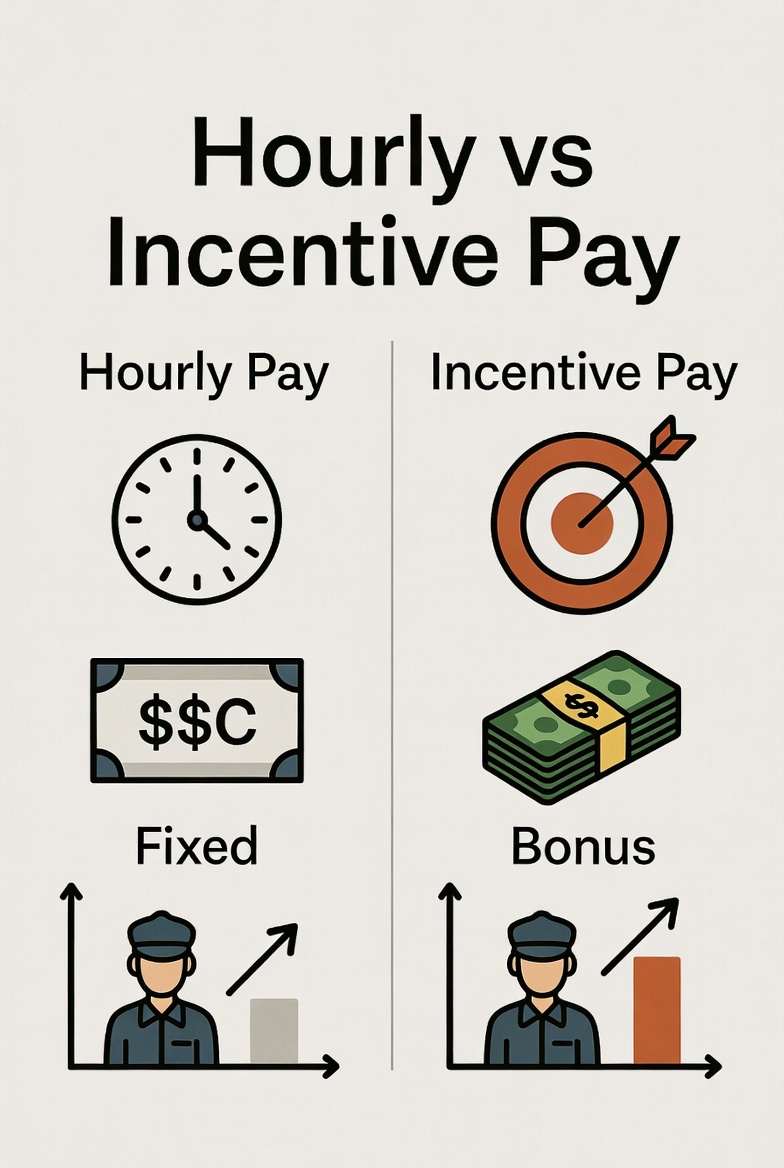
When you're paid by the hour, your income is the same whether you finish at 2pm or 5pm. There's no financial incentive to move faster. You still do the work — you're not slacking — but there's no penalty for taking a longer lunch, no reward for shaving 30 seconds off each stop, and no urgency to optimise your route. Your pay is fixed regardless of output.
When you're paid per delivery, per stop, or on a run rate, every minute matters. A faster driver earns a higher effective hourly rate. Finishing at 2pm instead of 5pm means the same money for three fewer hours of work — or the option to pick up an extra run. Every efficiency gain goes directly into your pocket.
This isn't a criticism of either type of driver. According to Fair Work Australia pay and wages information, both hourly and piece-rate pay structures are legitimate and have legal requirements around minimum pay. It's simply an observable pattern that pay structure shapes behaviour.
The Trade-Offs
Hourly pay gives you security. You know what you'll earn. Bad weather, a broken-down van, a dock queue that eats an hour — none of these reduce your pay. You're protected from things outside your control. The downside is a cap on upside — you can't earn more by being great.
Incentive pay gives you control. Your income is directly tied to your effort and efficiency. The best drivers earn significantly more per hour than they would on a flat rate. The downside is risk — a bad day (traffic, breakdowns, weather) directly hits your income.
Safety considerations: Incentive pay can encourage rushing, and rushing causes accidents and injuries. The best incentive-paid drivers aren't fast because they take risks — they're fast because they're efficient. Good loading, optimised routes, and smooth processes create speed without compromising safety.
What This Means for You
If you're on hourly pay, challenge yourself to work at an incentive pace anyway. Finishing early consistently gets noticed by supervisors and puts you first in line for better runs, overtime, and promotions. Building the habits of efficiency serves you regardless of pay structure.
If you're on incentive pay, invest in the tools that make you faster: a good route planner, a solid loading system, and a van setup that minimises wasted movement. Every minute you save is money earned. But don't sacrifice safety for speed — one accident or injury wipes out months of efficiency gains.