
ATL — authority to leave. Three letters that cause more headaches for delivery drivers than almost anything else on the job. Leave a parcel when you shouldn't and you're liable for the loss. Card a parcel when the customer wanted it left and they're on the phone to your depot within minutes. Getting the ATL call right is one of those skills that separates experienced drivers from new ones, and it's almost never covered properly in training.
What ATL Actually Means
Authority to Leave means the recipient has given permission for their parcel to be left at the delivery address without a signature. This might be a standing instruction on their account, a note on the consignment, or a specific delivery instruction like "leave at back door" or "leave in letterbox."
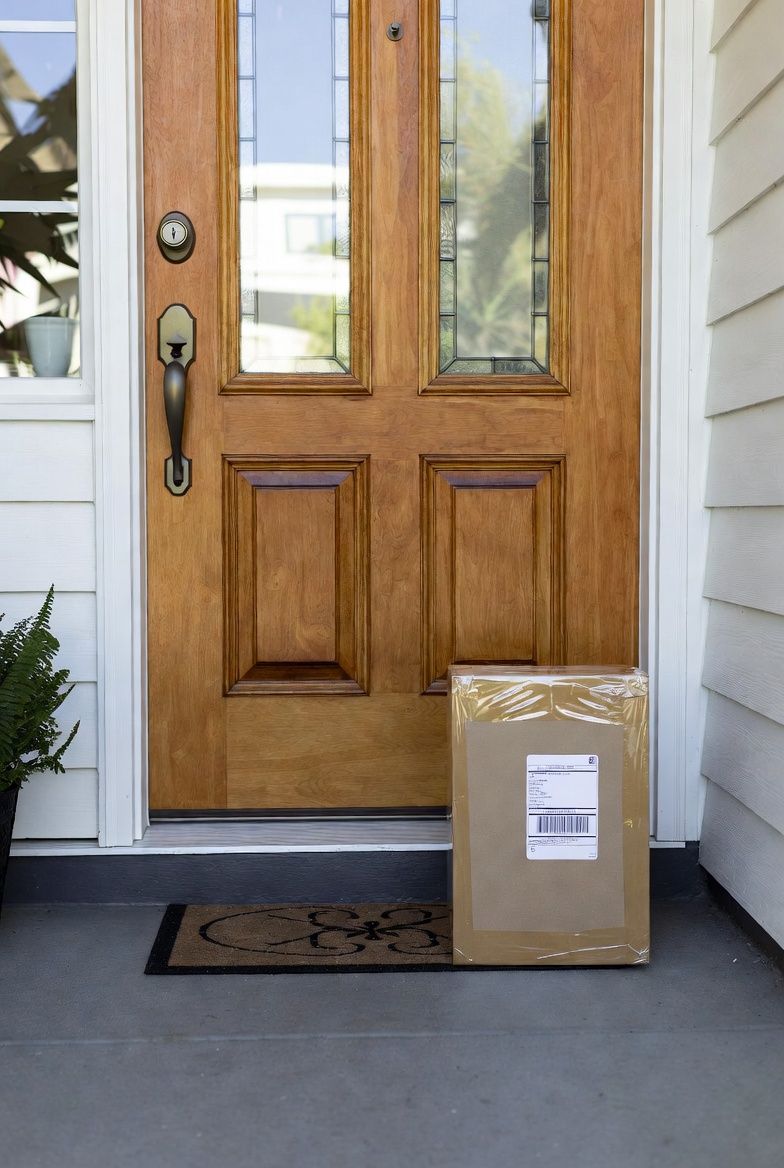
When a parcel has ATL, you can leave it in a safe, secure location without needing someone to be home. You take a photo as proof of delivery, note the location, and move on. For more details on how major carriers handle this, see Australia Post delivery instructions.
When a parcel does not have ATL, you must attempt to deliver to a person. If nobody's home, you leave a card with collection or redelivery instructions. No exceptions — even if you "know" the customer, even if they've told you verbally in the past, even if there's a "leave parcels here" sign on the door.
When to Never Leave — Even with ATL
High-value or signature-required items: Some parcels are flagged as signature-required regardless of the customer's ATL preferences. These are typically items over a certain value threshold, electronics, pharmaceuticals, or legal documents. The connote (consignment note) will usually have a label or code indicating this. If it says signature required, it means signature required. Full stop.
Dangerous goods: Items classified as dangerous goods (batteries, chemicals, aerosols) often have specific delivery requirements. Check the labels — DG items sometimes cannot be left unattended.
No safe location: If the delivery address has nowhere secure to leave the parcel — no porch, no covered area, no letterbox big enough — don't leave it on the ground in the open, even with ATL. A parcel visible from the street is an invitation for theft. If it gets stolen, the investigation will come back to your delivery photo showing the parcel sitting in plain view.
Weather: Leaving a parcel in pouring rain where it'll be destroyed defeats the purpose. Use common sense — if the item will be damaged before the customer gets home, card it or find a sheltered spot.
Reading the Connote
The connote tells you everything you need to know. Get in the habit of scanning the label properly, not just the barcode. Look for: ATL/NATL flags, signature required labels, special handling instructions, dangerous goods diamonds, and any customer-specific delivery notes.
Some companies use colour-coded labels: a green sticker for ATL, red for signature required. Others print instructions directly on the label. Learn your company's system inside out — if you're unsure about a specific item, call your dispatcher. A 30-second phone call is better than a lost parcel investigation.
Protect yourself: Always take a clear delivery photo showing the parcel's location. Make sure the house number or a recognisable feature of the property is visible in the photo. This is your proof that you delivered to the right place, in a reasonable location. If a customer claims they didn't receive it, that photo is your defence.